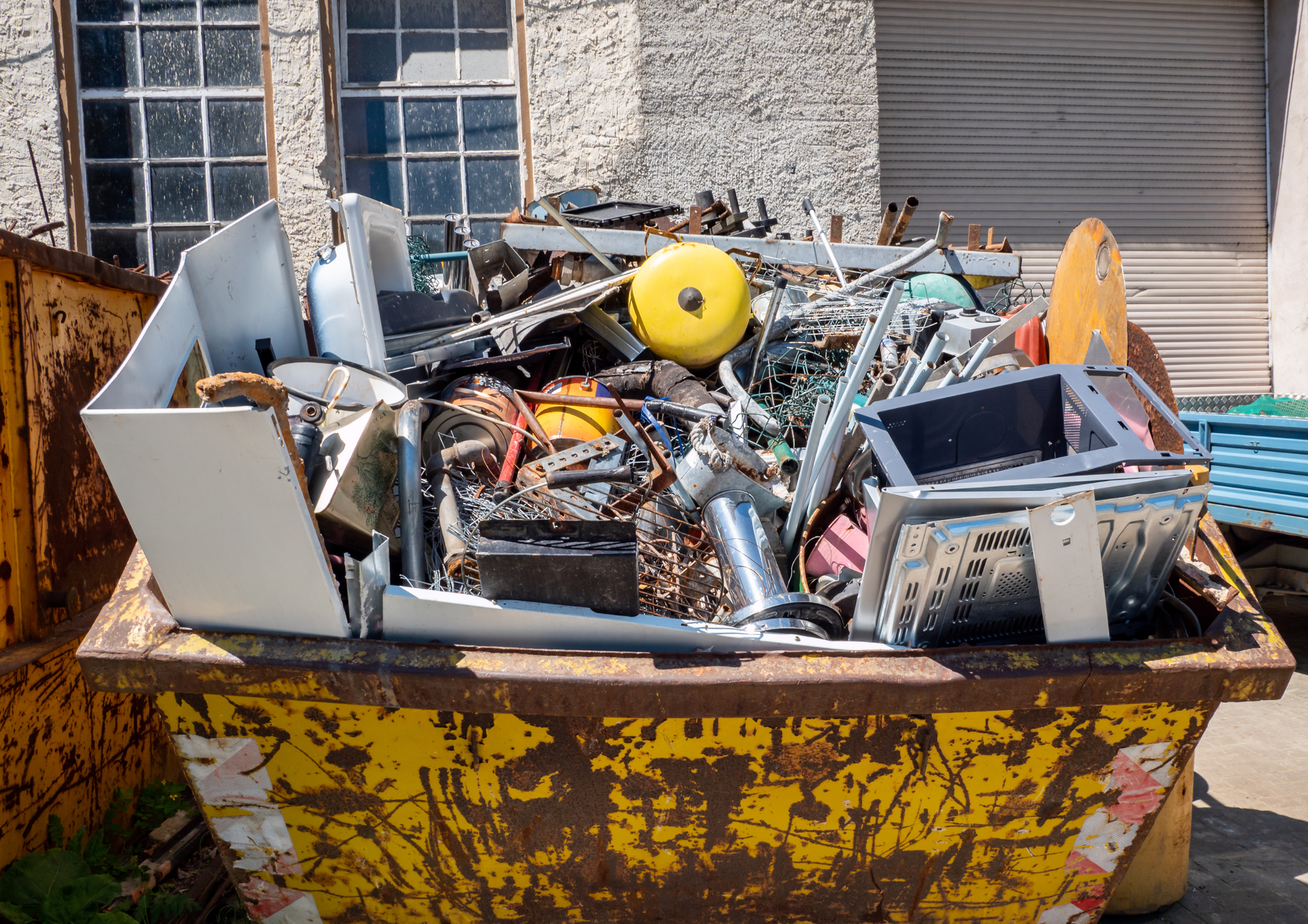

Managing Unexpected Building Waste with Same Day Skip Hire Services
Unexpected building waste can create difficulties for homeowners, landlords, contractors, surveyors and local authorities, particularly when projects are already underway. Renovation work, property maintenance and construction activities can generate more unwanted material than originally anticipated. Without suitable disposal arrangements, waste can accumulate quickly, restrict access and interfere with planned work.
Arranging same day skip hire can provide a practical solution when waste needs to be managed at short notice. Having a suitable container delivered promptly allows materials to be collected in one designated location, helping maintain organised working areas and reducing disruption to ongoing activities.
For properties across Leicester, unexpected waste requirements can arise during kitchen renovations, bathroom refurbishments, structural repairs, garden improvements and commercial maintenance. Although the circumstances differ, the need for organised waste management remains consistent.
Effective planning involves more than simply arranging a container. Customers should consider the type of waste being produced, the available space for delivery, the expected volume of materials and the collection arrangements required once the work is complete.
Understanding these factors helps property owners and project managers make informed decisions while maintaining productive working environments. With appropriate preparation and dependable communication, even unexpected waste removal requirements can become manageable parts of a wider improvement project.
Understanding When Urgent Waste Removal Becomes Necessary
Building projects do not always progress exactly as expected. Hidden damage, additional renovation work and changes to construction schedules can create waste that was not included in the original plans. Recognising when prompt disposal is necessary helps prevent unnecessary disruption and supports better site organisation.
Unexpected Renovation Waste
- Removing old kitchen units, flooring, tiles and bathroom fittings can produce considerable amounts of bulky material within a short period.
- Discovering damaged plasterboard, rotten timber or unsuitable fixtures may increase the amount of waste requiring disposal.
- Having a designated container available helps prevent discarded materials from occupying hallways, driveways and working areas.
- Planning where waste will be stored before removal allows tradespeople to continue working without repeatedly moving unwanted materials.
Property Maintenance and Repairs
- Landlords managing rental properties may encounter unexpected waste during repairs, refurbishment work or preparations for new occupants.
- Damaged fixtures, old cupboards and general renovation debris often need removing before replacement materials can be installed.
- Surveyors and property managers may recommend additional work following inspections, creating disposal requirements that were not originally anticipated.
- Organised waste handling helps maintain accessible properties while supporting practical maintenance schedules.
Commercial and Construction Projects
- Office refurbishments, retail improvements and building maintenance can generate mixed waste that requires careful organisation.
- Construction activities may produce timber, bricks, concrete and other materials that need suitable disposal arrangements.
- Removing waste from active working areas helps contractors maintain access to equipment and materials.
- Larger projects benefit from reviewing waste volumes regularly rather than waiting until designated storage areas become overcrowded.
Alternative Delivery Arrangements
- Immediate availability may depend on container size, booking time, delivery location and existing schedules.
- When urgent delivery cannot be arranged, next day skip hire may provide a suitable alternative without significantly affecting the wider project.
- Customers should confirm delivery arrangements before making commitments to contractors or scheduling waste-producing activities.
- Discussing the expected amount and type of waste helps providers recommend a practical option.
Site Preparation and Accessibility
- Driveways, private yards and designated loading areas should be checked before arranging delivery.
- Customers should consider parked vehicles, narrow entrances, overhead obstructions and available manoeuvring space.
- A container placed on a public highway will generally require permission from the relevant authority.
- Preparing the site beforehand reduces the likelihood of delivery difficulties and helps keep the project organised.
Recognising these situations early allows customers to respond to unexpected waste requirements without allowing disposal arrangements to become a major obstacle.
How Reliable Waste Removal Supports Building Project Efficiency
Efficient waste removal plays an important role in maintaining progress throughout building and renovation projects. When unwanted materials are left scattered around a property, they can interfere with access, occupy valuable working space and create additional tasks for contractors. Establishing an organised disposal process helps reduce these difficulties while supporting smoother project management.
For homeowners undertaking renovations, the practical benefits are particularly noticeable. Removing old fittings, damaged materials and packaging as work progresses makes it easier to prepare rooms for the next stage. Kitchen installations, flooring replacements and bathroom refurbishments often involve several different trades, making clear working areas especially valuable.
Commercial properties have similar requirements, although the consequences of poor waste organisation can be more extensive. Retail refurbishments, office improvements and maintenance projects may need to operate around employees, customers or other building users. Keeping waste contained helps reduce disruption and allows designated areas to remain accessible wherever practical.
A dependable provider should communicate clearly about delivery availability, acceptable materials, placement requirements and collection procedures. These details allow customers to plan work around realistic arrangements rather than making assumptions about when equipment will arrive.
Customers considering a same day skip should also assess whether the available capacity matches the project. A smaller container may be sufficient for limited repair work, while extensive refurbishment activities could require greater capacity. Choosing correctly helps avoid repeated arrangements and unnecessary interruptions.
Another important consideration is the handling of different waste materials. General renovation debris may be suitable for standard disposal arrangements, but certain materials require separate treatment. Electrical equipment, chemicals, asbestos-containing materials and other restricted waste should never be placed into a container without confirming the provider's acceptance rules and relevant disposal requirements.
Clear communication also helps customers understand any weight restrictions or loading conditions. Heavy materials such as soil, concrete and bricks can create difficulties when placed into unsuitable containers. Discussing these materials before booking allows the provider to recommend an appropriate option.
Local knowledge can contribute to efficient planning. Leicester includes residential streets, commercial districts and properties with varying access conditions. A provider familiar with these environments may be better positioned to discuss practical delivery considerations and identify potential restrictions.
However, local familiarity should be supported by clear booking arrangements. Customers should establish whether a requested delivery window is achievable, how changes are handled and what information must be provided before the vehicle arrives.
For landlords and property managers, organised waste removal can also support property handovers. Removing renovation debris promptly makes it easier to inspect completed work, arrange cleaning and prepare accommodation for occupation.
Ultimately, dependable waste management is about maintaining control over the project. Suitable equipment, realistic scheduling and straightforward communication help customers manage unexpected changes without allowing discarded materials to interfere with essential work.
Choosing Suitable Containers and Organising Prompt Delivery
Selecting an appropriate container is essential when unexpected building waste needs removing. The correct choice depends on the volume of material, its weight, the type of project and the space available for placement. Customers who assess these considerations before booking are better prepared to arrange same day skip hire without unnecessary complications.
Small Household Repairs
- Compact containers can be suitable for limited decorating work, minor repairs and small household clearances.
- Typical materials may include old shelving, packaging, damaged fixtures and general renovation debris.
- Customers should estimate the amount of waste before booking rather than selecting a size based solely on the number of rooms involved.
- Smaller containers can be particularly useful where driveway space is limited.
Kitchen and Bathroom Refurbishments
- Replacing kitchen units, worktops, tiles and bathroom fittings can generate bulky waste within a relatively short period.
- Medium-sized containers may be appropriate depending on the quantity and weight of the materials.
- Heavy items should be discussed with the provider before delivery to avoid unsuitable loading arrangements.
- Keeping the container close to the working area, where safely possible, can make disposal more convenient.
Larger Building and Renovation Work
- Property extensions, structural alterations and substantial refurbishments often produce considerable quantities of mixed construction waste.
- Larger containers may offer practical capacity for bulky materials, subject to the provider's restrictions.
- Heavy waste can reach permitted weight limits before the container appears full.
- Contractors should assess expected waste volumes throughout the project rather than relying on a single initial estimate.
Arranging Delivery at Short Notice
- Customers requiring skip hire same day delivery should provide accurate information about the address, required size, waste materials and available placement space.
- Early enquiries may provide more flexibility, although availability cannot be guaranteed.
- Any access restrictions should be explained before confirming the booking.
- Clear instructions help reduce misunderstandings and support efficient delivery arrangements.
Safe Loading and Waste Separation
- Waste should remain within the permitted fill level and should not extend above the container's sides.
- Heavy materials should be distributed appropriately rather than concentrated in one area.
- Restricted items must be identified and handled through suitable disposal arrangements.
- Separating materials where practical can support responsible waste processing and recycling.
Planning for Collection
- Customers should consider when the container is likely to become full and whether further work will generate additional material.
- Collection requirements should be discussed when booking, particularly for projects with tight schedules.
- Vehicles must have suitable access when the container is ready for removal.
- Clear arrangements help avoid unnecessary delays at the end of the project.
Taking these steps allows homeowners, contractors and property managers to make informed decisions about equipment and scheduling. Proper preparation is especially valuable when work begins unexpectedly and there is limited time to organise disposal arrangements.
Managing Collection Schedules and Responsible Waste Disposal
Waste management should remain a consideration throughout the entire project rather than being addressed only when a container becomes full. Effective collection planning helps maintain organised working areas, supports responsible disposal and reduces unnecessary disruption during the final stages of renovation or construction.
The first consideration is understanding how quickly waste will accumulate. A small repair may generate most of its unwanted material during the initial removal stage, while a larger refurbishment could produce waste continuously over several days or weeks. These differences influence how collection arrangements should be organised.
For projects involving several contractors, communication is particularly important. Builders, decorators, electricians and other trades may work at different stages, each producing materials requiring disposal. Establishing a shared approach to waste handling helps prevent confusion about what can be placed in the container and when removal should be requested.
Customers arranging skip hire same day collection should confirm whether the provider can accommodate the required timescale. Collection availability may depend on vehicle schedules, location, access and the condition of the loaded container. Making the request early and providing accurate information improves the opportunity for suitable arrangements.
Responsible waste disposal is another essential consideration. Construction and renovation activities can generate materials with different recycling and treatment requirements. Timber, metals, cardboard and certain building materials may be suitable for recovery or recycling, depending on their condition and the facilities available.
Customers should also understand their responsibilities when transferring waste. In England, waste must be handled through appropriate arrangements, and customers should take reasonable steps to establish that the organisation collecting it is authorised to do so. Checking the relevant waste carrier registration and retaining appropriate documentation can provide useful reassurance.
For commercial projects, additional attention may be required regarding waste transfer records, material segregation and site procedures. Contractors and property managers should establish these requirements before work begins rather than attempting to resolve them after collection.
Clear communication with the provider helps identify unsuitable materials before they enter the container. Certain waste streams require specialist handling and should be managed separately from general building debris.
Another practical consideration is the location of the container during the hire period. It should not obstruct emergency access, create avoidable hazards or interfere with neighbouring properties. Where the container occupies a public road, the appropriate permissions and conditions must be observed.
When a project is nearing completion, arranging same day skip delivery for an additional container may be useful if unexpected waste remains and further capacity is genuinely required. However, customers should first assess whether the existing container can be collected and replaced or whether a different arrangement would be more efficient.
Collection timing can also influence final property preparation. Landlords may need to arrange cleaning before tenants move in, while homeowners might want driveways or gardens cleared before landscaping or finishing work begins. Commercial property managers may need waste removed before inspections or reopening.
The most effective approach is to review progress regularly, communicate changes promptly and avoid leaving disposal decisions until the final stages. This supports smoother project completion and helps maintain appropriate waste management practices throughout the work.
Unexpected building waste can create considerable challenges when renovation, maintenance or construction activities are already underway. Without suitable disposal arrangements, unwanted materials can occupy working areas, restrict access and interfere with project schedules.
A practical approach begins with understanding the likely waste volume, identifying suitable equipment and preparing the delivery location. These considerations help customers respond to changing requirements while maintaining better control over the work.
Reliable communication is equally important. Confirming availability, acceptable materials, loading restrictions and collection procedures helps reduce uncertainty and allows customers to make informed decisions.
Responsible disposal should remain a priority throughout the project. Separating suitable materials, following loading requirements and working with authorised waste carriers all contribute to more effective waste management.
Whether completing a small household repair, preparing a rental property or coordinating a substantial commercial refurbishment, organised waste removal supports cleaner and more accessible working environments.
For property owners and project managers in Leicester and elsewhere, the key is to combine realistic planning with dependable service. This helps ensure unexpected waste requirements are managed efficiently without allowing disposal arrangements to become an unnecessary complication.
Skip Hire Leicester focuses on providing practical waste management solutions for homeowners, landlords, surveyors, local authorities, contractors and businesses undertaking residential and commercial projects.
We understand that building work does not always proceed according to the original schedule. Unexpected repairs, additional renovation tasks and changes in project requirements can create situations where same day skip hire becomes an important consideration.
Our approach centres on clear communication, suitable container selection and straightforward delivery and collection arrangements. We aim to help customers understand their options, assess the type and volume of waste involved and choose practical solutions that support their project.
Whether you are clearing renovation debris, managing waste from property improvements or coordinating a larger building project, we recognise the importance of keeping working areas organised and accessible.
By focusing on dependable service, responsible waste handling and practical local guidance, we aim to make the process of arranging waste removal as straightforward as possible, from the initial enquiry through to final collection.
Check out our latest X update on the importance of
same day skip hire for managing unexpected building waste and keeping your project organised and on schedule!
You might also like