
What You Can and Can’t Put in a Small Skip: A Complete Guide
When managing waste from construction, renovations, landscaping, or office cleanouts, hiring a skip is one of the most convenient and cost-effective ways to dispose of unwanted materials. However, before you book a small skip hire, it’s essential to understand exactly what can and can’t go into it. This ensures compliance with UK waste disposal laws, keeps the environment safe, and helps avoid extra charges or collection delays.
This guide explains what materials are allowed in small skips and how to use them efficiently.
Understanding What Small Skips Are For
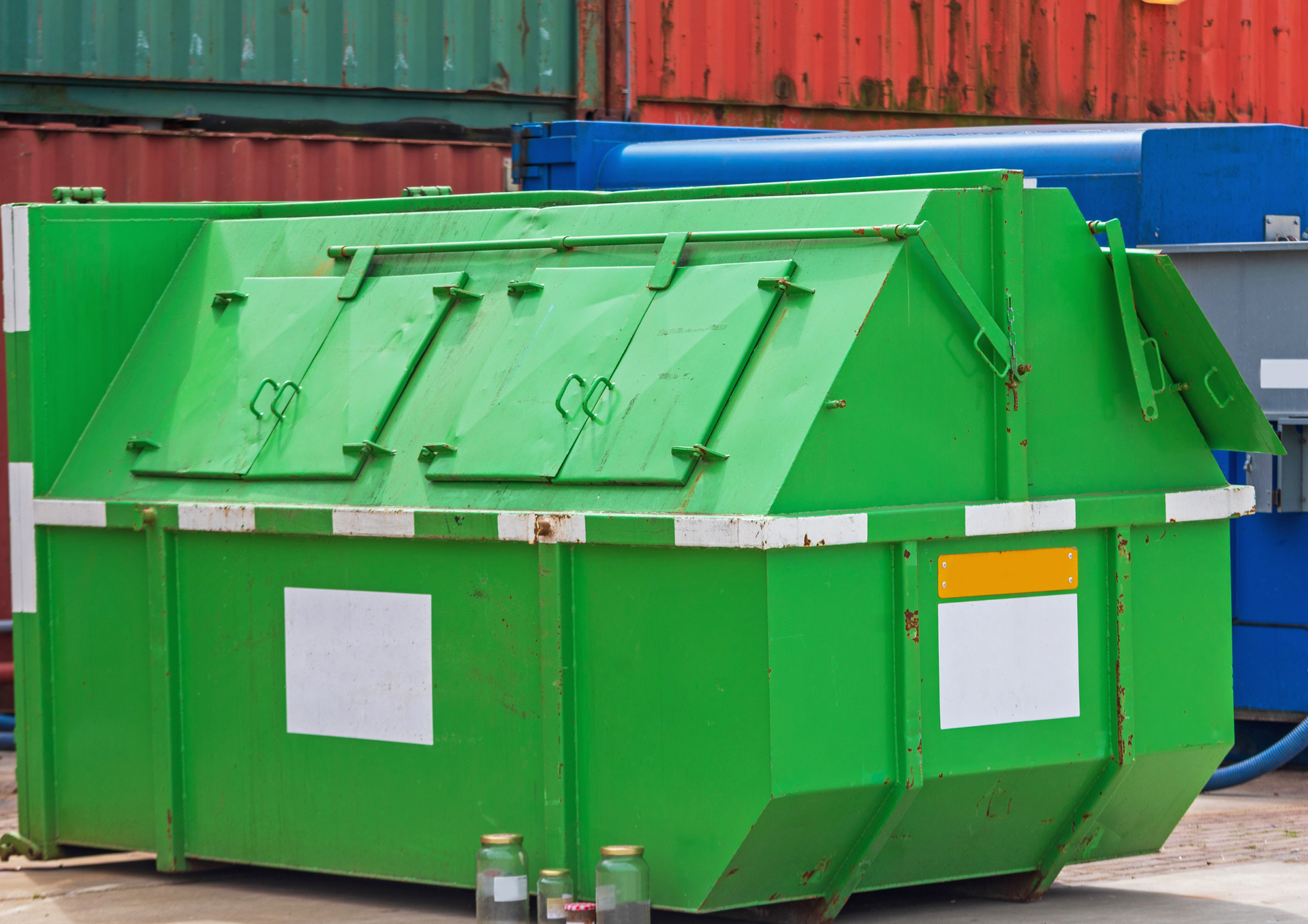
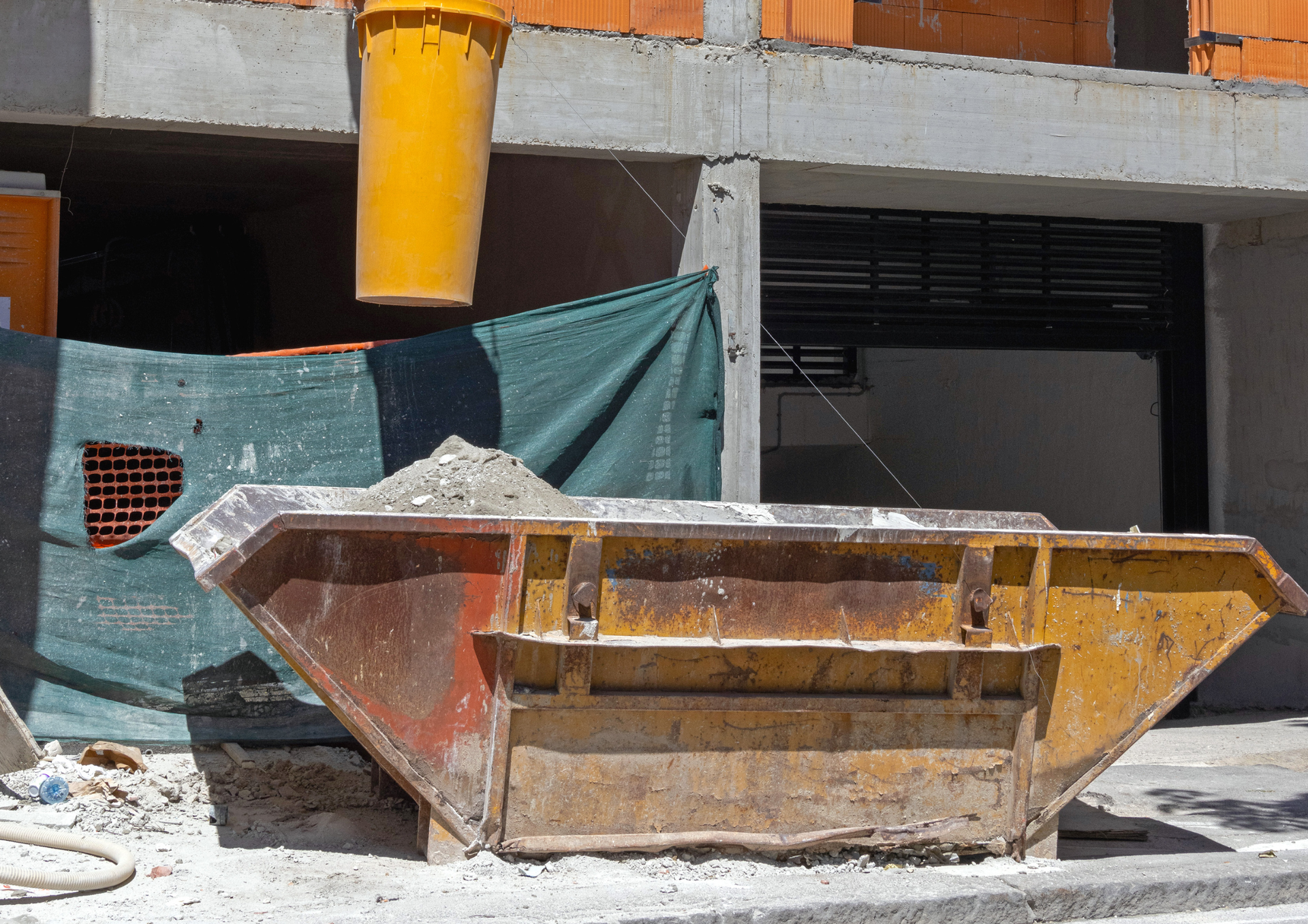
Small skips are designed to handle general waste produced from household, commercial, and light construction projects. They’re ideal for tasks like garden clearances, small renovations, or decluttering your home. Typically, a small skip has a capacity ranging from 2 to 4 cubic yards, which can hold approximately 25–45 black bin bags of waste.
A mini skip is often chosen for projects that generate a manageable amount of debris — enough to warrant more than a few bin bags but not so much that you need a large container. They’re compact, fit conveniently in driveways, and are easy to load with general waste, soil, rubble, and non-hazardous materials. Many households and small businesses prefer them for their affordability and ease of placement.
It’s worth noting that not every type of waste is permitted in skips. Certain materials can be dangerous or require specialised disposal methods. Knowing what’s acceptable will save you time, money, and potential legal complications.
What You Can Put in a Small Skip
A skip is perfect for a wide variety of non-hazardous waste. Here’s a breakdown of the most common items that are allowed:
- Household waste: General rubbish such as old furniture, toys, packaging, and non-electrical household items.
- Garden waste: Soil, branches, grass cuttings, leaves, and hedge trimmings can all go into your small skip.
- Construction and renovation debris: Bricks, tiles, rubble, plasterboard (in small quantities), wood, and metal.
- Non-contaminated soil: Clean soil that hasn’t been mixed with chemicals or hazardous materials.
- Plastics and cardboard: These are common materials in both residential and commercial clearouts.
For projects in Leicester or any UK city, choosing the right small skip hire near me ensures that your waste is processed responsibly and in line with local regulations. Reliable skip companies will sort and recycle much of what’s collected, diverting as much as possible from landfill. This not only benefits the environment but also supports a cleaner, more sustainable community.
When loading your skip, remember to fill it evenly and not above the marked “fill line.” Overfilled skips can be unsafe to transport and may incur additional fees or refusal for collection. Properly separating your waste before disposal helps maintain efficiency and reduces the risk of contamination between recyclable and non-recyclable materials.
What You Can’t Put in a Small Skip
While skips are incredibly versatile, they are not suitable for every type of waste. Certain items are restricted or banned due to environmental and safety reasons. The following materials should never be placed in a small skip:
- Electrical equipment and appliances (WEEE waste): Items like fridges, TVs, computers, and washing machines must be disposed of separately.
- Hazardous waste: Paints, solvents, oils, asbestos, chemicals, and medical waste are strictly prohibited. These items pose serious environmental and health risks.
- Batteries and fluorescent tubes: These contain harmful substances such as mercury and must be taken to designated recycling centres.
- Tyres: Most skip hire companies do not accept tyres due to disposal difficulties.
- Gas cylinders: Even if empty, gas bottles and cylinders are hazardous and require special handling.
Disposing of these materials in a skip can lead to fines, penalties, or environmental damage. If you have waste that falls under these categories, ask your skip provider for advice. They can often recommend specialised disposal services to ensure you remain compliant with waste management regulations.
Being mindful of what goes into your skip not only ensures legal compliance but also demonstrates your commitment to responsible waste handling. Whether it’s a home renovation or a business project, adhering to proper disposal standards reflects professionalism and care for the environment.
Making the Most of Your Small Skip Hire
To get the best value from your skip, it’s important to plan ahead. Start by estimating the amount of waste your project will produce. Choosing the right skip size helps avoid paying for unused space or, worse, needing a second skip because the first filled too quickly.
If you’re working on a larger project, consider combining a small skip with other waste management options, such as recycling bins or waste collection services. This can help you sort materials effectively and save on disposal costs.
When budgeting, keep in mind that the small skip hire cost depends on several factors — including your location, size, rental duration, and the type of waste you’re disposing of. Prices are typically lower for general waste and higher for heavier or mixed materials. Always confirm what’s included in your quote to avoid hidden charges.
For those seeking clarity on the cost of small skip, it’s best to request a transparent, no-obligation quote from a trusted local provider. This helps you plan your project efficiently and ensures there are no surprises later on. Reputable companies will also assist you in obtaining any necessary permits if your skip needs to be placed on a public road.
Whether you’re a homeowner clearing out your property, a contractor working on a renovation, or a business managing relocation waste, understanding how to maximize your skip usage can save you time, effort, and money.
Hiring a
small skip hire is one of the simplest and most efficient ways to manage waste responsibly. By understanding what you can and can’t put in a skip, you help ensure a smoother collection process, avoid potential fines, and contribute to a more sustainable environment.
Always separate your materials before disposal, follow the fill guidelines, and choose a reliable skip provider that values compliance and eco-friendly waste management. With the right preparation and awareness, skip hire can be both affordable and environmentally sound.
At
Skip Hire Leicester, we pride ourselves on offering reliable, affordable, and environmentally responsible skip services. Our experienced team ensures every customer receives the right skip for their needs — whether it’s for household projects, construction work, or business waste.
We offer prompt delivery and collection, transparent pricing with no hidden fees, and full compliance with UK waste regulations. Our small skip hire service is built on a commitment to recycling and sustainability, ensuring most of the waste we collect is diverted from landfill to support a cleaner, greener community.
New update on X: What you can and can’t put in a small skip – a complete waste guide for
small skip hire!
You might also like